

Introduction
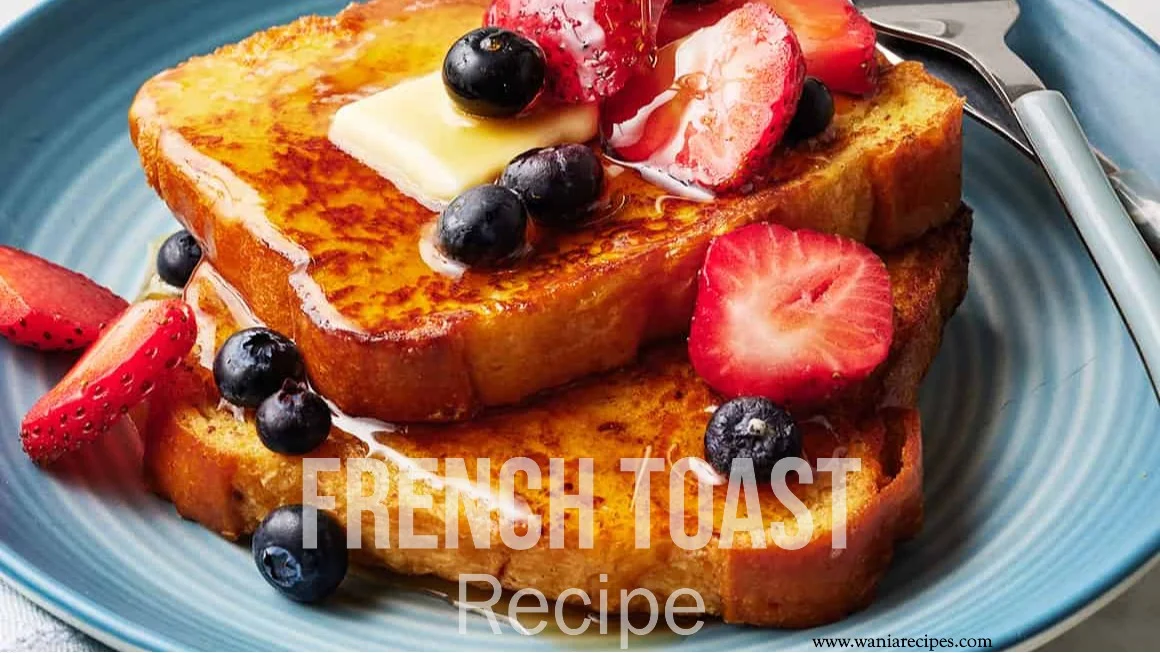
Is there any better aroma on a lazy weekend morning than cinnamon and vanilla wafting from the kitchen? That heavenly smell signals one thing: perfect French toast is on the way. This isn’t just any breakfast; it’s a warm, custardy, golden-brown slice of comfort that turns simple ingredients into something magical. Interestingly, this beloved dish dates back to ancient Roman times, with a version appearing in a 4th-century cookbook! What I love most about this French toast recipe is its beautiful simplicity and how it transforms slightly stale bread into a luxurious, family-friendly feast in under 20 minutes. It’s the ultimate crowd-pleaser that feels special but requires minimal effort. If you enjoy our easy pancake recipe for a quick weekday fix, this is its more decadent, weekend-worthy cousin. Get ready to unlock the secrets to making the absolute best version right in your own kitchen. Your perfect breakfast is just a few steps away!
Table of Contents
What is French Toast?
Let’s address the crispy, golden elephant in the room: why is it called “French” toast? Was it invented by a particularly clever Parisian chef? The truth is, many cultures have a version of this dish, and its origins are more about frugality than France. The name we use today likely comes from a man named Joseph French, who popularized it in America in the 1720s. Funny enough, he even forgot the apostrophe, so it should technically be “French’s Toast”! Whatever you call it, this dish proves the classic saying, “the way to a person’s heart is through their stomach,” is absolutely true. It’s a simple alchemy of bread, eggs, and milk that creates pure happiness on a plate. Ready to work a little breakfast magic? Let’s dive in.
Why You’ll Love This French Toast Recipe
- Unbeatable Texture & Flavor: This recipe reveals the secrets to achieving the ideal French toast: a crisp, buttery exterior with a soft, rich, and custard-like center. It’s never soggy, never dry—just perfect, flavorful bites every single time.
- Incredibly Cost-Effective: This is the ultimate “hero of leftover bread” recipe. Instead of tossing out stale bread, you gloriously resurrect it into a breakfast that tastes anything but thrifty. It’s a delicious way to reduce food waste and save money.
- Endlessly Customizable: The base recipe is a flawless canvas for your favorite flavors. Drizzle it with maple syrup, pile on fresh berries, dust it with powdered sugar, or add a dollop of whipped cream. Craving something different? Try our Cinnamon Roll French Toast Bake for a decadent, make-ahead twist. This classic version is your starting point for endless delicious explorations. Trust me, once you try it, it will become your weekend staple.
How to Make French Toast
Quick Overview
This classic French toast recipe is your shortcut to an impressively delicious breakfast. We’re focusing on technique to ensure a luxuriously creamy interior and a beautifully caramelized, crisp exterior. The entire process, from whisking to plating, takes just about 20 minutes, making it perfect for a leisurely weekend brunch or a special weekday treat.
Key Ingredients for French Toast
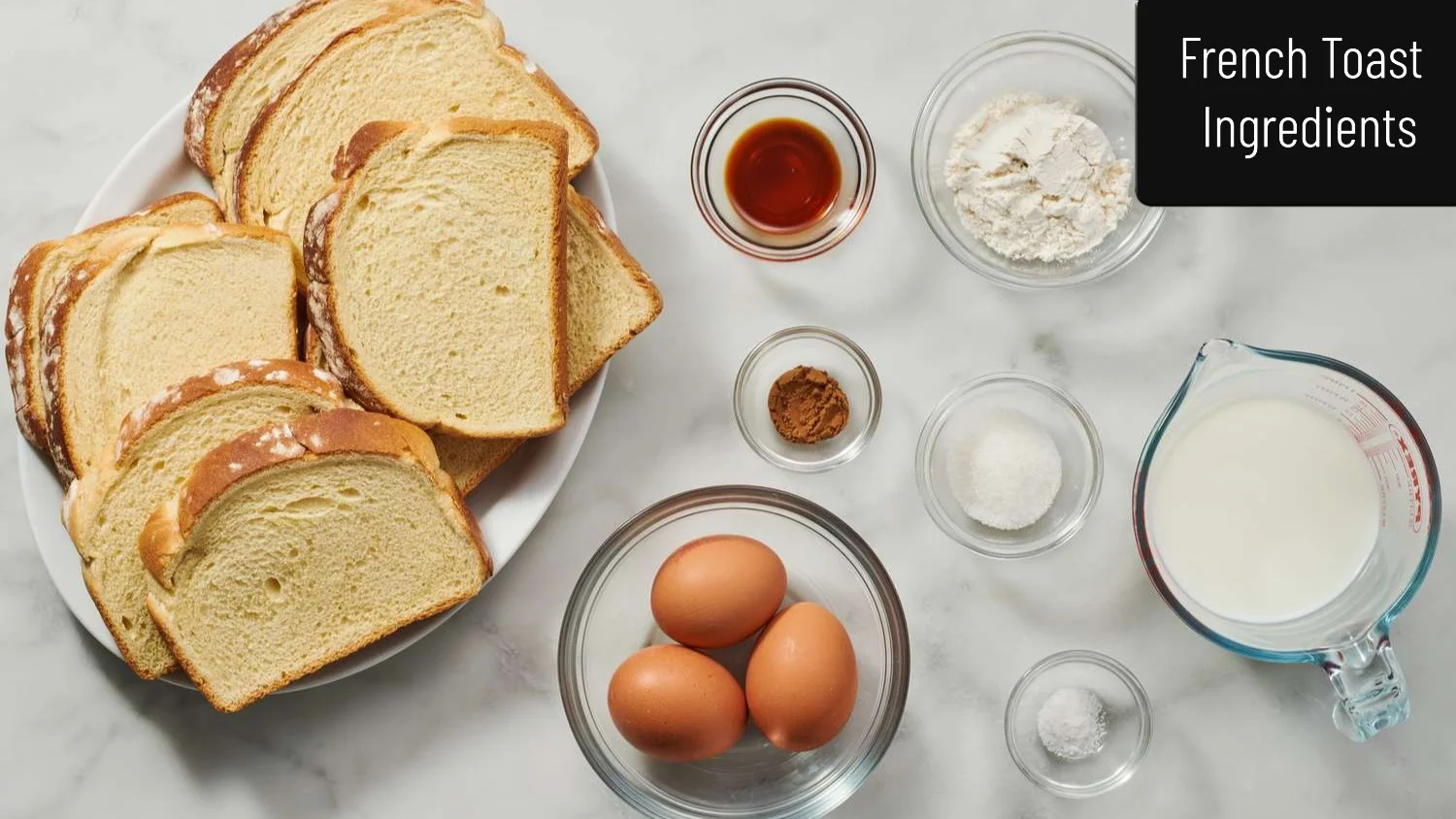
- 4 thick slices of bread (Brioche, Challah, or a sturdy day-old Artisan loaf are best)
- 2 large eggs
- 1/2 cup (120ml) whole milk or half-and-half
- 2 tablespoons granulated sugar
- 1 teaspoon pure vanilla extract
- 1/2 teaspoon ground cinnamon
- 1/8 teaspoon ground nutmeg (optional)
- Pinch of salt
- 2 tablespoons unsalted butter, for cooking
- Maple syrup, fresh fruit, and powdered sugar, for serving
Step-by-Step Instructions
- Prep the Bread: If your bread is very fresh, lightly toast it for 2-3 minutes to dry it out slightly. This helps it absorb the custard without falling apart. For day-old bread, you can skip this step.
- Make the Custard Base: In a shallow, wide bowl (a pie dish works perfectly), vigorously whisk the eggs together until uniform. Add the milk, sugar, vanilla extract, cinnamon, nutmeg, and salt. Whisk until the sugar is dissolved and the mixture is completely smooth and well-combined.
- Soak the Bread: Heat a large non-stick or cast-iron skillet or griddle over medium heat. Add a tablespoon of butter to melt. While the pan heats, take one slice of bread and submerge it in the custard mixture. Let it soak for 20-30 seconds per side. The goal is for the bread to feel heavy and saturated but not so soggy it breaks. Lift it, let the excess custard drip off for a moment, and immediately transfer it to the hot skillet.
- Cook to Golden Perfection: Cook the soaked bread for 3-4 minutes on the first side, or until it’s a deep, golden brown. You should see little caramelized spots. Carefully flip it with a spatula and cook for another 2-3 minutes on the second side until equally golden.
- Repeat and Serve: Transfer the cooked French toast to a wire rack set over a baking sheet (this keeps the bottom crispy). Repeat the soaking and cooking process with the remaining bread, adding more butter to the pan as needed. Serve immediately with your favorite toppings.
What to Serve French Toast With
French toast is a star that loves a supporting cast! For a full brunch spread, pair it with crispy bacon or breakfast sausage to balance the sweetness. A side of scrambled eggs adds extra protein. For a lighter accompaniment, a fresh fruit salad or berry compote is perfect. Don’t forget the beverages! A glass of orange juice, a cold glass of milk, or a hot cup of coffee complete the meal. For an adult brunch, a mimosa is a classic pairing.
Top 5 Tips for Perfecting French Toast (The Secrets!)
- Secret #1: The Bread Matters: Avoid thin, soft sandwich bread. Use thick-cut, sturdy bread like Brioche, Challah, or a dense Artisan loaf. Slightly stale bread absorbs custard better without disintegrating.
- Secret #2: Don’t Rush the Soak: A quick dip leads to dry, eggy toast. A 20-30 second soak per side ensures the custard penetrates the center, giving you that lush, pudding-like texture.
- Secret #3: The Pan Must Be Pre-Heated: Always make sure your skillet or griddle is fully heated over medium heat before adding the butter and soaked bread. This ensures immediate searing for a crisp exterior.
- Secret #4: Use Enough Fat: Butter is key for flavor and that beautiful golden crust. Don’t be shy—use a fresh pat for each batch to prevent burning and ensure even browning.
- Secret #5: Keep It Warm: Cooked French toast held on a plate will steam and get soggy. Place it in a single layer on a wire rack in a 200°F (95°C) oven until all batches are done and you’re ready to serve.
Storing and Reheating Tips
Storing: Let leftover French toast cool completely. Place slices in a single layer in an airtight container, separated by parchment paper, and refrigerate for up to 2 days.
Reheating for Best Results: The oven or toaster oven is your friend! Reheat slices on a baking sheet at 350°F (175°C) for 5-8 minutes until warmed through and re-crisped. The microwave (20-30 seconds) is quick but will make the toast soft.
Freezing: Yes, you can freeze it! Cool cooked French toast completely, then wrap each slice individually in plastic wrap and place in a freezer bag. Freeze for up to 2 months. Reheat from frozen in a 375°F (190°C) oven for 10-15 minutes.
For More Recipes Visit: www.waniarecipes.com