

Introduction
Have you ever seen those tall, wobbly, cloud-like pancakes on social media and wondered if they’re real? They’re called Japanese Soufflé Pancakes, and I’m happy to report they are not only real—they’re actually achievable in your own kitchen. I still remember the first time I tried making them. My kitchen looked like a small hurricane had blown through, and my first batch resembled flat, sad omelets more than fluffy clouds. But that second batch? Pure magic.
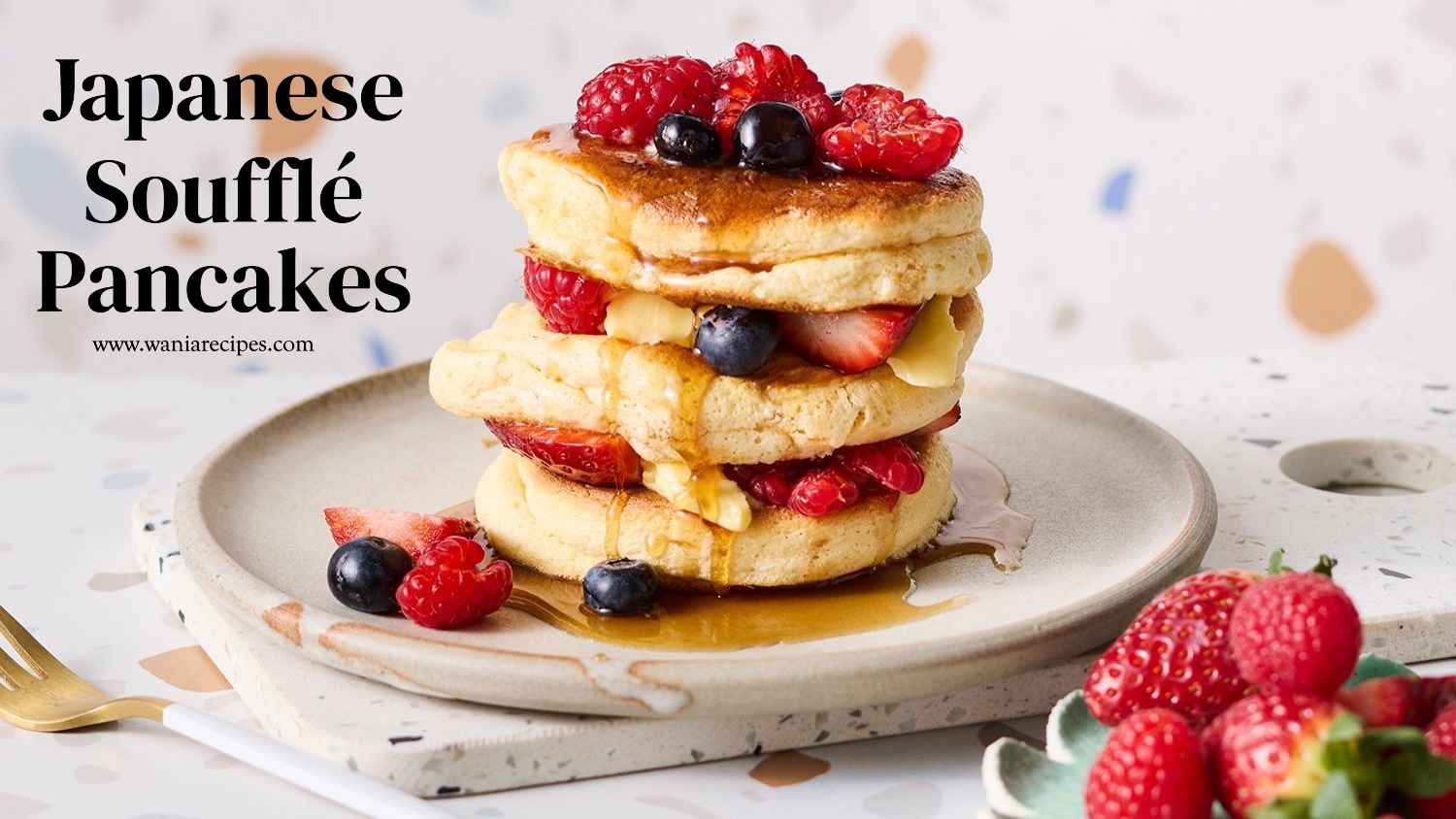
These Japanese Soufflé Pancakes are special because they sit right at the intersection of breakfast and dessert. They’re jiggly, tender, and taste like a sweet, vanilla-scented cloud resting on your plate . Unlike the classic American pancakes you might find in our Fluffy Buttermilk Pancakes recipe, these rely on a completely different technique—whipped egg whites—to achieve their incredible height. They require a little patience, but the preparation time is only about 15 minutes of active work. They’re also incredibly family-friendly; my toddler now “helps” by adding sprinkles to hers, and everyone at the table lights up when that covered lid comes off. So, grab your mixing bowls, and let’s create some breakfast magic together.
Table of Contents
What is Japanese Soufflé Pancakes?
So, what’s the deal with this name? Japanese Soufflé Pancakes. It’s a bit of a mouthful, right? Why not just call them “really tall pancakes” or “the ones that look like little cakes”? Well, the name actually tells you exactly what you’re getting. They’re Japanese because they took the world by storm from the trendy cafes of Tokyo and Osaka. They’re Soufflé because, like a classic French soufflé, they get their sky-high lift from stiffly beaten egg whites (meringue) folded into a rich base. And they’re Pancakes because, well, you cook them in a pan for breakfast . It’s a beautiful fusion of East and West! As they say, the way to a man’s heart is through his stomach, but I think the way to everyone’s heart is through a stack of these impossibly fluffy pillows. You simply have to try making them to see what all the fuss is about.
Why You’ll Love This Japanese Soufflé Pancakes Recipe
If you’re looking for a breakfast that feels like a special occasion, these pancakes are it. First and foremost, the texture is the main event. We’re talking about a pancake that is unbelievably light, airy, and has that signature jiggle when you gently shake the plate . It’s like eating a piece of sweet, vanilla-scented air. Each bite practically melts in your mouth.
Secondly, making them at home saves you a pretty penny. A plate of these in a trendy café can cost a small fortune, not to mention the plane ticket to Tokyo! With simple, budget-friendly ingredients you probably already have—eggs, flour, sugar, and milk—you can create that same luxurious experience for a fraction of the cost .
Finally, the toppings are where you can make this dish your own. The subtly sweet and eggy flavor is the perfect canvas. A classic dusting of powdered sugar and a drizzle of maple syrup is always a win . But for a real treat, pile on some lightly sweetened whipped cream and a generous handful of fresh berries . The tartness of the berries cuts through the richness of the pancake and cream beautifully. For another fun, fruity breakfast option, you might also love our Fluffy Mixed Berry Muffins. Trust me, once you make these at home, you’ll never want to settle for flat pancakes again.
How to Make Japanese Soufflé Pancakes
● Quick Overview
This recipe is all about mastering a few key techniques to achieve that signature fluff. The process involves creating a smooth egg yolk base and a separate, stable meringue from egg whites. The magic happens when you gently fold them together, preserving all those precious air bubbles. The taste is a delicate balance of sweet and vanilla, with an incredibly light, almost custard-like texture . The total time from start to finish is about 30 minutes, with a hands-on prep time of around 15 minutes.
● Key Ingredients for Japanese Soufflé Pancakes
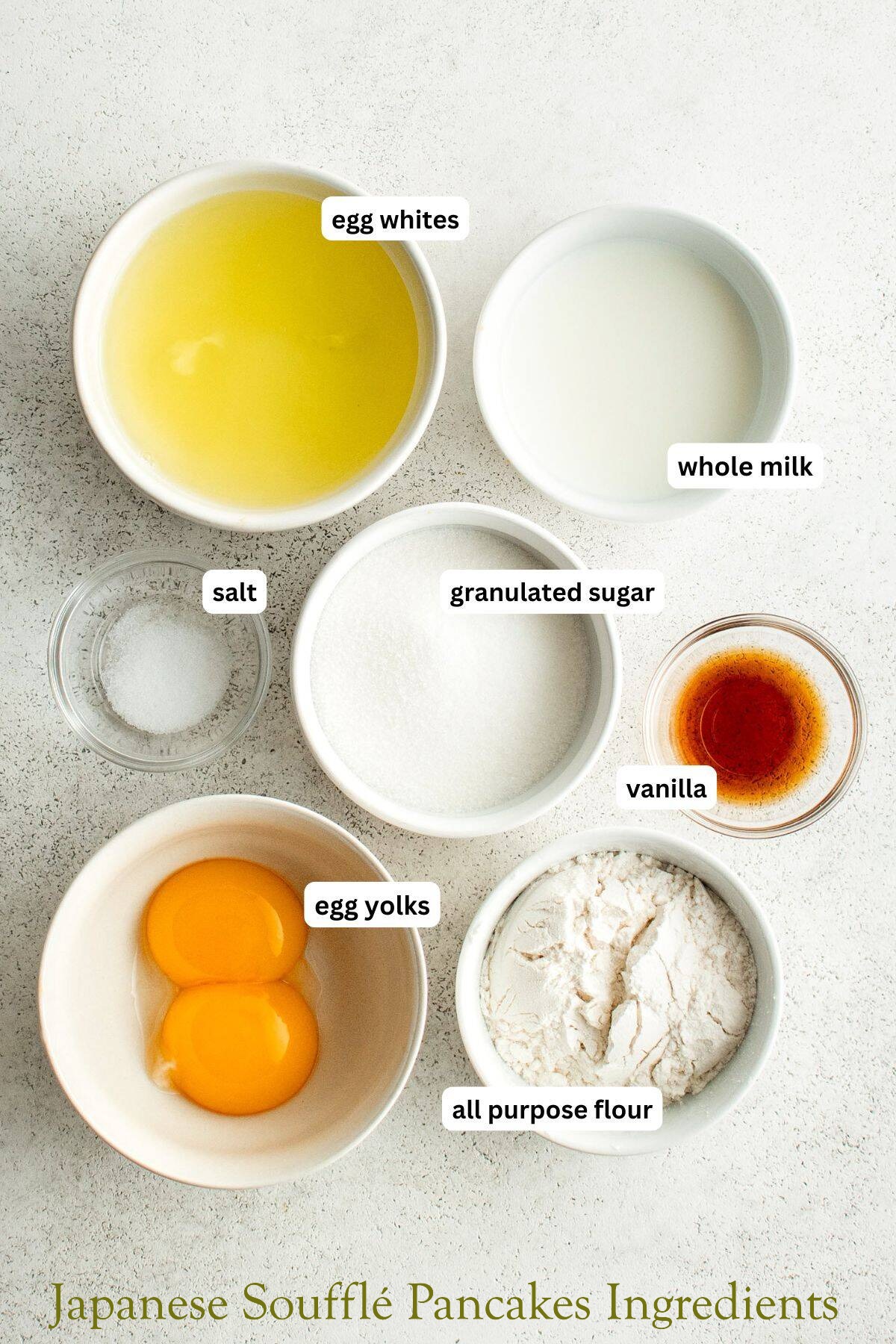
- 2 large eggs, separated (room temperature is best for maximum volume)
- 2 tablespoons whole milk (adds moisture and richness)
- ½ teaspoon vanilla extract (for that warm, sweet aroma)
- ¼ cup (30g) all-purpose flour (or cake flour for an even more delicate crumb)
- ½ teaspoon baking powder (gives them that extra little lift)
- 2-3 tablespoons granulated sugar, divided (for sweetening and stabilizing the meringue)
- ½ teaspoon lemon juice or cream of tartar (this is the secret to a stable meringue)
- Butter or neutral oil, for greasing the pan
- For serving: Powdered sugar, maple syrup, fresh berries, whipped cream
● Step-by-Step Instructions
- Prepare Your Station and Separate Eggs: This is a crucial first step. Carefully separate the egg whites from the yolks, placing them in two different large bowls. It’s vital that no yolk gets into the whites, as any fat will prevent them from whipping up properly . For best results, place the bowl of egg whites in the fridge or freezer for about 10-15 minutes while you prepare the other ingredients; cold egg whites whip up to a more stable volume .
- Make the Yolk Batter: To the bowl with the egg yolks, add the milk, vanilla extract, and 1 tablespoon of the sugar. Whisk vigorously for a minute or two until the mixture is pale, creamy, and slightly thickened. Sift the flour and baking powder directly into the bowl. Sifting is important to remove lumps and incorporate air. Whisk gently until the batter is smooth and no streaks of flour remain. Set aside .
- Whip the Meringue: Take the chilled bowl of egg whites. Using a hand mixer or a stand mixer with the whisk attachment, begin beating the whites on medium speed until they become foamy and bubbly, like the top of a latte. At this point, add the lemon juice or cream of tartar . With the mixer running, gradually add the remaining 2 tablespoons of sugar, one tablespoon at a time. Increase the speed to medium-high and continue beating until you reach stiff peaks. This means when you lift the beater, the meringue stands straight up without flopping over. It should look glossy, not dry or grainy .
- Fold the Batter Together: This step requires a gentle touch. Add about one-third of the fluffy meringue to the egg yolk batter. Using a silicone spatula, gently fold them together until just combined. This lightens the batter, making it easier to incorporate the rest of the airy meringue . Add the remaining meringue and continue folding with a gentle, scooping motion from the bottom of the bowl up and over. Rotate the bowl as you go. Stop as soon as you no longer see white streaks. The final batter should be billowy and light. Do not overmix, or you’ll deflate all the precious air .
- Cook Low and Slow: Place a non-stick pan over the absolute lowest heat your stove can manage. Let it warm up for a couple of minutes. Lightly grease the pan with a little butter or oil, then use a paper towel to wipe away any excess. You want a film, not a puddle of grease . Spoon or pipe tall mounds of the batter into the pan. To get the classic height, you can spoon one scoop of batter, then another scoop directly on top of it .
- The Steam-Flip-Finish: Add 1 tablespoon of water to the empty spaces in the pan (not directly on the pancakes) and immediately cover with a tight-fitting lid . The steam created will help the pancakes cook through and rise even higher. Cook for 4-6 minutes. Peek under one very gently—the bottom should be a deep golden brown. Using a thin, wide spatula, carefully flip each pancake. It helps to use two spatulas for this . Add another small splash of water to the pan, cover again, and cook for another 4-5 minutes, until the other side is golden and the pancake is puffed and feels just set.
- Serve Immediately: This is the most important step! Soufflé pancakes are at their absolute peak of fluffy perfection right when they come off the pan. Transfer them gently to a plate, dust generously with powdered sugar, and serve with your favorite toppings .
What to Serve Japanese Soufflé Pancakes With
Since these pancakes are wonderfully light and subtly sweet, they pair beautifully with a variety of sides and drinks to create a well-rounded meal. For a classic brunch spread, serve them alongside some crispy bacon or breakfast sausage for a salty-savory contrast. A soft scramble eggs would also be a perfect partner. On the beverage side, a fresh cup of hot coffee or a creamy latte is the ideal match. For something refreshing, a tall glass of iced tea or a fresh fruit smoothie would be delightful.
Top Tips for Perfecting Japanese Soufflé Pancakes
- Room Temperature Eggs: While cold egg whites whip to a good volume, some bakers find that room temperature egg whites (for the meringue) incorporate air more easily. You can take your eggs out of the fridge 15 minutes before starting, or place the separated whites in a bowl set over another bowl of warm water for a few minutes .
- The Stiff Peak Test: This is the most critical visual cue. Your meringue is ready when you can lift the beater and the peak stands straight up, firm and glossy. If the peak flops over, keep whipping. If the meringue looks clumpy or grainy, you’ve over-whipped it and should unfortunately start over with fresh egg whites .
- Gentle Folding is Everything: Use a silicone spatula and a light hand. Imagine you are trying to keep as much air in the batter as possible. Cut down through the center of the batter, scrape along the bottom of the bowl, and fold up and over. Turn the bowl a quarter turn and repeat until just combined .
- Patience with Heat: Resist the urge to turn up the heat. Cooking on low is non-negotiable. High heat will burn the outside while leaving the inside a raw, goopy mess. Your pan should be so low that it’s barely sizzling .
Storing and Reheating Tips
Let’s be honest, these pancakes are truly at their best fresh from the pan, as their delicate structure is meant to be enjoyed immediately . However, if you find yourself with leftovers, you can store them. Allow the pancakes to cool completely to room temperature. Then, place them in an airtight container, layering parchment paper between them to prevent sticking. They can be stored in the refrigerator for up to 2 days .
To reheat, the goal is to add moisture back in without making them tough. The best method is to place them in a non-stick pan over the lowest possible heat. Add a tiny splash of water to the pan, cover with a lid, and warm them gently for 1-2 minutes per side. This steaming method helps them regain a bit of their softness . I do not recommend freezing them, as the thawing process will cause them to deflate and become mushy .
For More Recipes Visit: waniarecipes.com